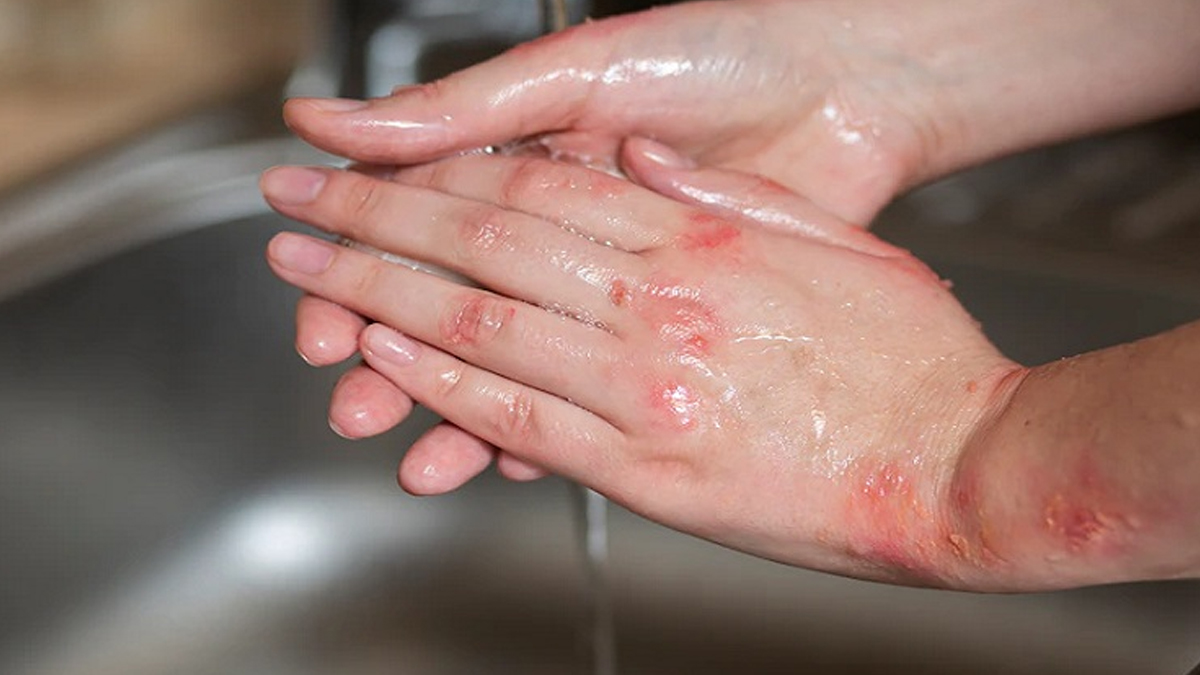

Acne vulgaris is a chronic inflammatory skin condition generally caused by clogged pores, which then produce blackheads, pustules (small, white, fluid-filled bumps), and nodules or cysts (hard, inflamed bumps). Clogged pores can be caused by various factors, including excessive oil production, the use of cosmetic products, genetics, diet, hormonal factors, the buildup of dead skin cells, and bacterial infections known as acne. of Cutibacterium acnes (C. acnes) [1]The severity of acne vulgaris can be determined based on the type of acne that appears and the distribution of its growth locations. This level is based on the Pillsbury scale, which classifies acne in the form of comedones as severe. mild and increases to the fourth level, namely severe which is indicated by the number of pimples in the form of cysts and inflamed nodules as well as growth in locations other than the face [2].
Handling and treatment for acne vulgaris Treatments can vary depending on the severity. In general, medications used can include topical medications such as facial creams containing specific ingredients as directed by a doctor, antibiotics, hormonal therapy for women, and vitamin A derivatives (isotretinoin).isotretinoin). Based on guidelines put forward by the National Institute for Health and Care Excellence (NICE), the duration of previous drug use ranges from one to three months. [3]. In addition to general treatment, the development of stem cell therapy untuk mengobati dan menangani acne vulgaris shows promising results and has the potential to be developed as an alternative therapy. The application of stem cell therapy such as Mesenchymal Stem Cell (MSC) and stem cell derived products (secretome), has been proven to help reduce inflammation, control skin oil production, speed up the skin healing process, and help prevent and repair skin tissue damage caused by acne scars. [4].
In line with current therapeutic developments, ProSTEM is actively researching the potential of stem cell therapy in treating and managing various skin conditions, such as acne. Through ongoing research and clinical trials, ProSTEM is committed to maintaining stringent quality standards and ensuring safety, effectiveness, and full compliance with government regulations, providing patients with peace of mind.
References
- Vasam, M., Korutla, S., & Bohara, R. A. (2023). Acne vulgaris: A review of the pathophysiology, treatment, and recent nanotechnology based advances. Biochemistry and Biophysics Reports, 36, 101578. https://doi.org/10.1016/j.bbrep.2023.101578
- Sutaria, A. H., Masood, S., Saleh, H. M., & Schlessinger, J. (2023). Acne vulgaris. StatPearls – NCBI Bookshelf. https://www.ncbi.nlm.nih.gov/books/NBK459173/
- Santer, M., Burden-Teh, E., & Ravenscroft, J. (2023). Managing acne vulgaris: an update. Drug and Therapeutics Bulletin, 62(1), 6–10. https://doi.org/10.1136/dtb.2023.000051
- Zamzam, S., Kusumaningrum, N., Prawitasari, S., Cahyani, D., & Adityani, R. (2025). A novel regenerative approach for acne vulgaris using combined umbilical cord mesenchymal stem Cell-Derived secretome and Platelet-Rich plasma: a case report. International Journal of Cell and Biomedical Science, 4(11), 359–366. https://doi.org/10.59278/cbs.v4i11.71