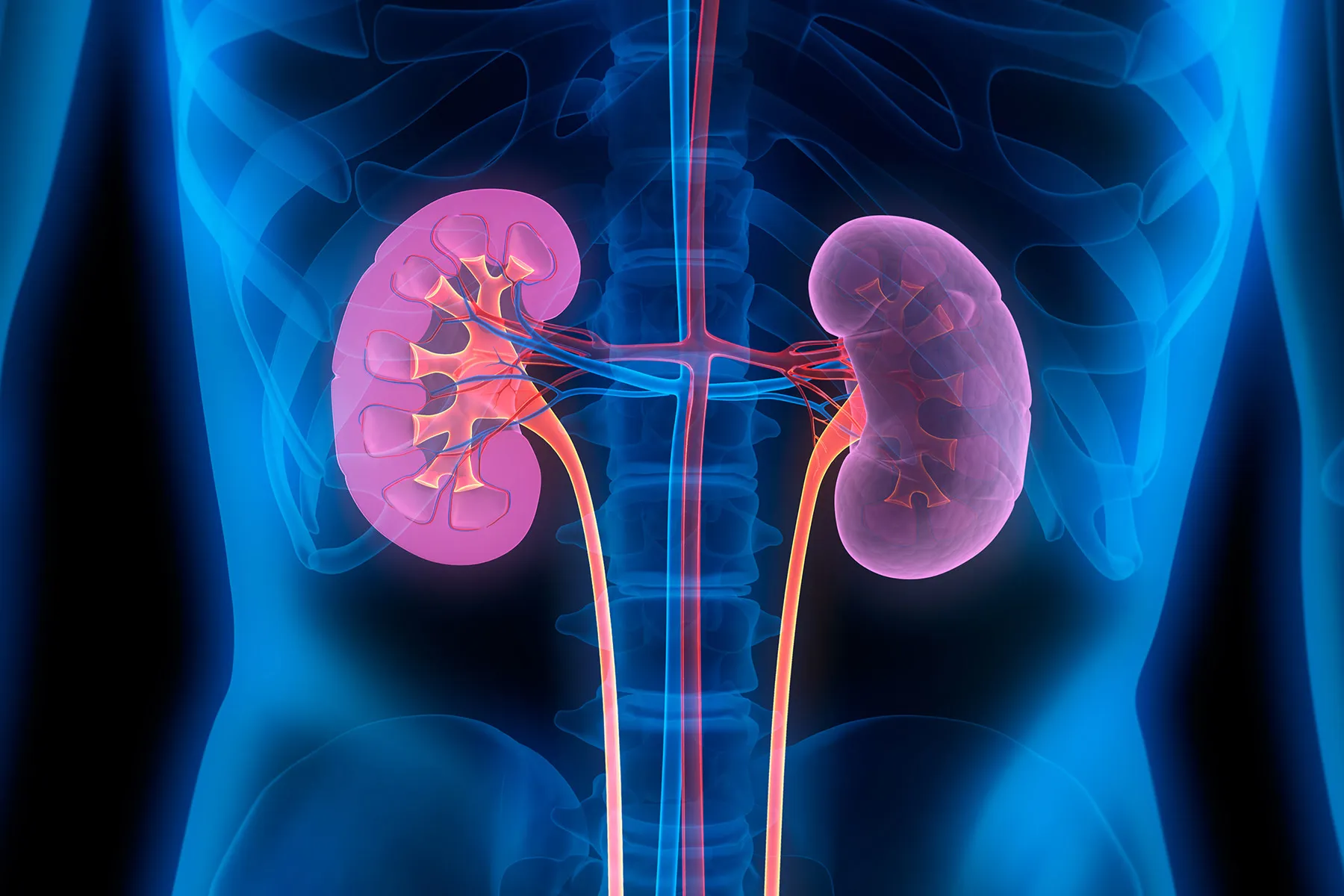
The kidneys are one of the most important human organs, responsible for various biological functions, such as filtering waste and toxins from the blood. However, kidney damage often occurs without any obvious early symptoms. Recognizing the symptoms of kidney disease as early as possible is crucial to prevent fatal damage later in life, which can impact overall quality of life. [1].
The symptoms that appear can vary, such as the appearance of bubbles or foam in the urine which indicates the presence of protein, as well as increased or decreased urine intensity, swelling in the legs, eyes, or face, digestive problems, blood content in the urine, and erectile dysfunction in men. [2,3,4].
In treating this condition, stem cell-based therapy shows high potential as a form of treatment by reducing inflammation, preventing tissue hardening, and increasing tissue repair around the kidneys. Mesenchymal Stem Cells (MSCs) (MSCs) dari tali pusat shows high potential as a form of treatment by reducing inflammation, preventing tissue hardening, and increasing tissue repair around the kidneys.[5]The mechanism of stem cells for kidney disease lies in their nature in regulating the body's immune response by producing biological components such as secretome which contains growth factor, cytokines, and extracellular vesicles. These components can reduce inflammation, promote tissue repair, prevent scar tissue formation (antifibrotic), prevent cell death and kidney function (antiapoptotic), and help promote new blood vessel formation (angiogenesis). [5]Clinically, in acute kidney disease, stem cells are known to provide cellular protection to the kidneys and enhance tubular cell recovery. In chronic kidney disease, stem cells are known to slow disease progression by regulating the body's immune response and preventing damage such as fibrosis and kidney failure. [6]
Knowing this potential, ProSTEM is committed to developing and researching the benefits of stem cells and secretomes for various diseases, including kidney disease. Currently, ProSTEM is conducting clinical trials related to the safety and effectiveness of allogeneic umbilical cord mesenchymal stem cell therapy in patients suffering from diabetic nephropathy together with the team of Dr. dr. Metalia Puspitasari, MSC., Sp.PD-KGH. It is hoped that the results of this test can be useful in demonstrating the potential of stem cell therapy for the treatment and management of diabetic nephropathy patients.
ProSTEM is here to provide stem cells and secretomes High-quality products manufactured in facilities licensed by the National Agency of Drug and Food Control (BPOM) and the Ministry of Health. This demonstrates ProSTEM's full dedication to implementing quality and safety standards. We ensure that every therapeutic service provided is safe, effective, and complies with all medical regulations and government requirements for patient safety. For more information, ProSTEM friends can contact our WhatsApp on this website.
References
- National Institute of Diabetes and Digestive and Kidney Diseases. (2018). Your kidneys & how they work. https://www.niddk.nih.gov/health-information/kidney-disease/kidneys-how-they-work
- Wyatt, E. (2023). Kidney disease: types, symptoms, treatment, and prevention. www.openaccessjournals.com. https://doi.org/10.47532/oain.2023.6(2).23-25
- Vaidya, S. R., & Aeddula, N. R. (2024). Chronic kidney disease. StatPearls – NCBI Bookshelf. https://www.ncbi.nlm.nih.gov/books/NBK535404/
- Goyal, A., Daneshpajouhnejad, P., Hashmi, M. F., & Bashir, K. (2023). Acute kidney injury. StatPearls – NCBI Bookshelf. https://www.ncbi.nlm.nih.gov/books/NBK441896/
- Rota, C., Morigi, M., & Imberti, B. (2019). Stem cell therapies in kidney Diseases: progress and challenges. International Journal of Molecular Sciences, 20(11), 2790. https://doi.org/10.3390/ijms20112790
- Wong, C. (2021). Current advances of stem cell-based therapy for kidney diseases. World Journal of Stem Cells, 13(7), 914–933. https://doi.org/10.4252/wjsc.v13.i7.914