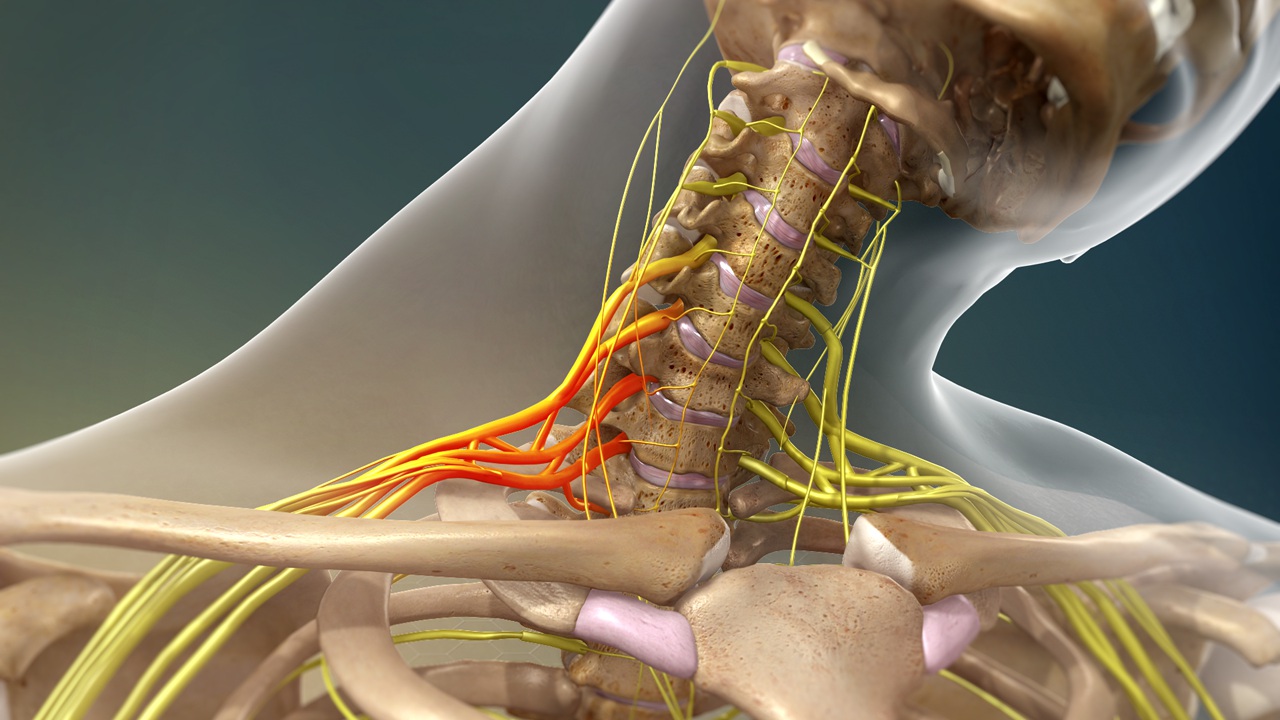
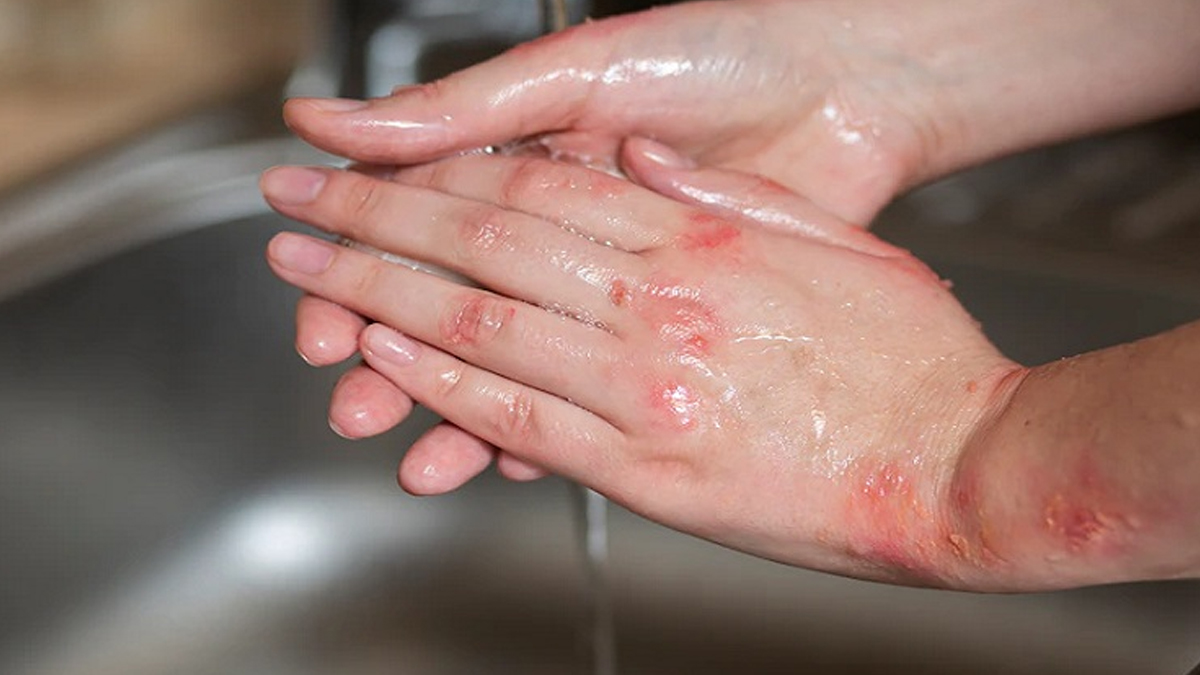
leprosyLeprosy) is a chronic infection caused by bacteria Mycobacterium leprae complexThis bacteria attacks the skin and peripheral nerves, but in advanced cases, it can affect the upper respiratory tract and vision. The disease is generally characterized by the appearance of skin lesions in the form of hypopigmented (light-colored) or erythematous (reddish) patches accompanied by numbness.
Despite its often negative stigma, leprosy is not easily transmitted. Transmission usually requires prolonged close contact through droplets from an infected person. The main challenge with leprosy is the risk of delayed treatment, as if left untreated, the disease can progress and damage nerve function. This nerve damage can lead to permanent disability. [1,2].
The standard treatment commonly used for leprosy cases is the use of a combination of several types of antibiotics or what is known as Multi-Drug Therapy (MDT). This series of treatments includes drugs such as dapsone, rifampicin, and clofazimineThis course of treatment usually lasts for 6 to 12 months, depending on the severity and the doctor's diagnosis. [3]However, MDT treatment has limitations. Antibiotics can kill the bacteria that cause leprosy, but if nerve damage occurs, these drugs cannot repair the damage. This often leads to long-term challenges for patients, such as numbness or muscle weakness. [3].
Responding to these limitations, stem cell therapy is currently a promising and safe approach with a low level of risk. [4]Stem cells can be combined with standard leprosy treatments to repair tissue damaged by leprosy through:
- Nerve Regeneration: Through the secretion of growth factors such as NGF and BDNF, stem cells can support the repair of the microenvironment of damaged nerve tissue. Furthermore, stem cells have the potential to improve nerve function, which is affected by motor function in leprosy. [5].
- Potential in tissue and wound repair: Stem cell application can heal wounds caused by local sensory and circulatory impairment. Stem cells play a role in accelerating wound healing and reducing the spread of infection. [5].
The potential of stem cell therapy for treating leprosy has been demonstrated, but further research is needed to determine its potential uses. ProSTEM is currently collaborating with the Dermatology Department at Ngoerah Hospital in Bali to conduct a case study on treating leprosy with stem cell therapy.
It is hoped that the potential of stem cells can increase the regeneration of skin and nerve tissue damaged by leprosy, as well as heal chronic wounds. (trophic ulcer) through its ability to repair cells.
ProSTEM provides high-quality stem cells produced in facilities licensed by the National Agency of Drug and Food Control (BPOM) and the Ministry of Health. For more information, visit ProSTEM. dapat menghubungi kontak WhatsApp pada website ini.
References
- Bhandari, J., Awais, M., Robbins, B. A., & Gupta, V. (2023). Leprosy. StatPearls – NCBI Bookshelf. https://www.ncbi.nlm.nih.gov/books/NBK559307/
- World Health Organization. (2026). Leprosy. https://www.who.int/news-room/fact-sheets/detail/leprosy
- Maymone, M. B., Venkatesh, S., Laughter, M., Abdat, R., Hugh, J., Dacso, M. M., Rao, P. N., Stryjewska, B. M., Dunnick, C. A., & Dellavalle, R. P. (2020). Leprosy: Treatment and management of complications. Journal of the American Academy of Dermatology, 83(1), 17–30. https://doi.org/10.1016/j.jaad.2019.10.138
- Tan, S. T., Aisyah, P. B., Firmansyah, Y., Nathasia, N., Budi, E., & Hendrawan, S. (2023). Effectiveness of Secretome from Human Umbilical Cord Mesenchymal Stem Cells in Gel (10% SM-hUCMSC Gel) for Chronic Wounds (Diabetic and Trophic Ulcer) – Phase 2 Clinical Trial. Journal of Multidisciplinary Healthcare, Volume 16, 1763–1777. https://doi.org/10.2147/jmdh.s408162
- Mukherjee, S., Ghosh, T., & Ghosh, S. (2025). Impact of stem cell therapy in leprosy Pathogenesis through Mathematical Study: An Impulsive Control based Treatment design. In Springer proceedings in mathematics & statistics (pp. 157–171). https://doi.org/10.1007/978-981-97-9194-1_12